Frito-Lay perseveres to develop biodegradable PLA bag

By Tony Deligio
Published: April 22nd, 2010

Far from the fanfare of its Los Angeles launch event—or buzz-generating ad during American Idol—the development of Frito-Lay's 100% compostable bag for the SunChips brand represented a development slog for engineers at the firm and its supplier partners. Tony Knoerzer, VP packaging and sustainability at Pepsico's Frito-Lay division, offered some insight into the challenges the company overcame to create the polylactic acid (PLA) package in a keynote address at TAPPI's 2010 PLACE Conference (April 18-21; Albuquerque, NM).

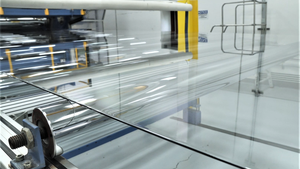
The finished product is essentially a six-layer, 20-µm-thick film (PLA-print-adhesive-metal layer-PLA-PLA sealant) that's 90% by weight PLA and fully compostable in approximately 14 weeks when placed in a hot, active compost bin. Knoerzer said the finished package has a shelf life of about 70 days, which is in line with what the company shoots for in those products. He was also up front about the challenges faced, and the current package's shortcomings. "This PLA bag is not cost neutral," Knoerzer said. "It's not going to be cost neutral; maybe in a decade."
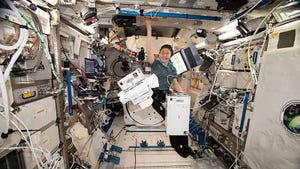
Frito-Lay's 100% compostable PLA bag
Frito-Lay's 100% compostable PLA bag.
In addition to the high cost, Knoerzer said that PLA is extremely difficult to metallize, and noted that it makes for a loud package. Placing PLA-based bags of SunChips in front of PLACE attendees, the packages' loud crinkling could be heard throughout his presentation. The company is working to create a lap sealable version of the bag, as well as adding something to cut down on the noise. In this iteration, it modified the core to have a matte finish, as well as altering it for printability.

Knoerzer admits that Frito-Lay weighed other options, including post-consumer recycled resin and degradable additives, before settling on NatureWorks' Ingeo PLA. "We went all the way down the list considering every possible material until we got to PLA," Knoerzer said. "It works, it makes a bag."

The company has made other efforts to boost its sustainability credentials, reducing electricity usage by 23% from 1999 to 2008, cutting water usage by 40%, and pushing a double-digit reduction in natural gas use. In California, a solar thermal unit helps power SunChips production, but Knoerzer said these moves didn't do much to sway consumers.

"What the consumer reacts to is the bag, the package," Knoerzer said, adding that they wanted a "clear claim that is consumer relevant." That pushed Frito-Lay towards compostability, which is declared across the top half of the package.

Going forward, Knoerzer said it's Frito-Lay's plan to convert its entire snack portfolio by 2017, although the materials used and package design could change. "Corn is what we're using today; I don't know what we'll be using five years from now," Knoerzer said. "I don't even know if it will be PLA." He acknowledged with a laugh that as a chip manufacturer, Frito-Lay has ready access to a lot of potato starch. Tony Deligio


The more I read about our

The more I read about our plastic production and use, the more I am convinced that the material will reach a standard that is compatible with the modern eco friendly world.

Matt
http://leaside.floorcoveringsinternational.com

Cheers to whoever at

Cheers to whoever at Frito-Lay had the good sense and foresight to propose this packaging idea and then to keep it going until the right formula was perfected. This will surely be a feather in the cap for the whole company and brand, though I hope they are kind enough to share the patent (at a fee no doubt) to other companies.

Matt O
http://www.plastmo.co.uk

Media Kit  |  Privacy Policy  |  Contact  |  Feedback  |  Subscribe | | |

© 2011 UBM Canon | please visit these other sites

UBM Canon | Design News | Test & Measurement World | Packaging Digest | EDN | Qmed | Pharmalive | Appliance Magazine | Powder Bulk Solids | Canon Trade Shows