IKEA creates plastic pallets as an alternative to wooden pallets
Published: February 15th, 2012
IKEA, the international furniture retailer giant, has developed plastic pallets to replace the traditional wooden pallets when shipping goods across its global operations.
The plastic shipping pallets, called the OptiLedge, weighs less than two pounds and are durable and 100% recyclable.
An IKEA spokesperson told PlasticsToday the OptiLedge are made from copolymer polypropylene, and feature many advantages over paper platforms.
"The OptiLedge is less susceptible to moisture, maintains stiffness with flexible loads and is more durable compared to paper pallets," the spokesperson said. "The injection molding process ensures much higher levels of product consistency."
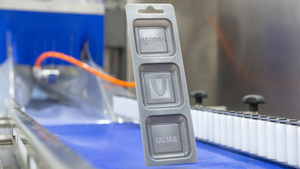
In addition, the OptiLedge may offer savings to other supply chains, as well, by decreasing the costs associated with labor, fuel, packaging and product damage, the spokesperson said.
Originally designed just for IKEA, the company decided to market the OptiLedge and make it available to other retailers and companies. For instance, Best Buy now uses the OptiLedge for products shipping from overseas to the retailer's stores in North America and around the world.
IKEA plans to phase out the use of wooden pallets across its global operations and to transition to lean alternative shipping platforms consisting of its OptiLedge plastic pallets and paper platforms.
The IKEA spokesperson said the objectives of this change are to decrease cost and create a more sustainable business. Non-wooden handling materials, such as paper pallets and plastic loading ledges, are lightweight.
"This dramatic move by IKEA sends a strong message to other supply chain stakeholders that there are real cost effective alternatives to traditional wooden pallets," stated Jonathan North, general manager of the business unit responsible for the OptiLedge at IKEA, in a news release. "There is nothing very unique about IKEA's supply chain, so the savings opportunities are equally applicable to other users, whether in the retail industry or not."
Though the change required a complete overhaul of supply chain operations and routines, IKEA still found that it was the best business decision for the company, the spokesperson said.
"The plastic pallets and paper platforms will save money on transportation costs and with the paper pallets being one-third the height of wooden ones allow IKEA to ship more goods," the spokesperson said. "They need more care during handling, but they open up a lot of opportunities."
The IKEA spokesperson said the initiative to phase out wood pallets is an ongoing process. In North America, IKEA has already eliminated the use of wood pallets, but the spokesperson said there is still a lot of work left to do in Europe.


"In North America, IKEA has
"In North America, IKEA has already eliminated the use of wood pallets"
I was in an IKEA store here in California just a day ago. All the pallets were wood. (??)!
Is this something new? I
Is this something new? I have seen plastic pallets for some time now. IKEA isn't doing anything new here. For them maybe it is new. It does make sense, however.
also it will save in shipping
also it will save in shipping cost. less weight means less cost
I also disagree with the
I also disagree with the statement that "IKEA will regret the move".
These new pallets are recyclable and can be made with recycled material.
There is also no need to fumigate the wood pallets to deter insect and rodent infestation.
Product breakage occurs now with wooden pallets. The key here is forklift operator training and care.
Plastic Baby!
Plastic Baby!
I disagree with the
I disagree with the statement: "Ikea will regret the move".
It will save, for starters, the hacking down of thousands of trees just for pallet wood.
The reusability, lighter weight, and durability of the polypropylene will save $.
No nails to rust and rot out the wood. No splinters and better impact resistance from fork lift operations will also help.
Ikea will regret the move
Ikea will regret the move away from timber pallets once the true cost is realised. Product breakages, costs, durability etc etc. Not to mention the ability to repair timber and ultimately to recycle efficiently into bio-mass or panel products.