Were Coke's recycling efforts a victim of its own anti-deposit lobbying?
Published: September 1st, 2011
It is difficult to find people in the plastics recycling industry who will criticize The Coca-Cola Company on record, but my conversations this week with a handful of plastics recyclers made clear they think Coke's much-hyped bottle recycling efforts in Spartanburg, SC, were done-in by the company's own lobbying against bottle deposit laws. The law of unintended consequences is in play, they say.
The problems Coke has been having with its PET bottle recycling facility in Spartanburg have been covered well by our competitor Mike Verespej of Plastics News and recently in the Wall Street Journal. That latter newspaper's article about the issues with Coke's "bottle-to-bottle" recycling plant in Spartanburg, SC, shut down earlier this year from a lack of PET material to recycle [Friday, August 19, 2011, pg. B1], went so far as to predict that Coke's joint venture with United Resource Recovery Corp. (URRC) is on the rocks. The WSJ reported that Coke is even thinking about selling its 49% stake in the company.
The Spartanburg recycling plant was to become the world's largest plastic bottle-to-bottle recycling plant with annual recycling capacity of about 100 million pounds of recycled PET. The plant opened in 2009 with a $50 million investment from Coke, shut down in March 2011 but was reopened the week of Aug. 22, after some reorganization and modification of equipment. Sources in the recycling industry who spoke on condition of anonymity offered me their take on why the facility is having so many troubles.
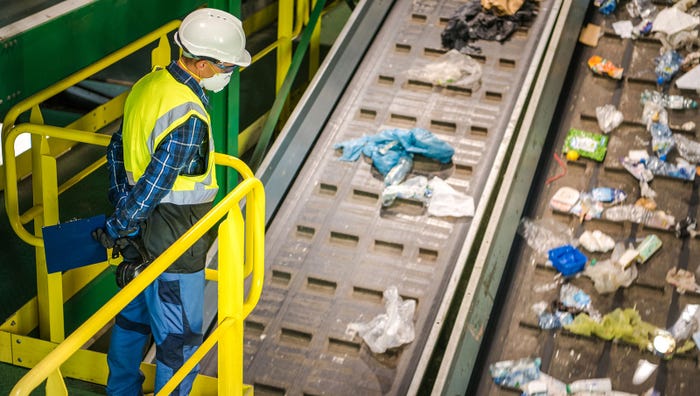
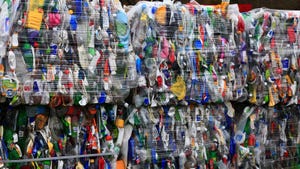
First, the plant was not allowed to source bottles from states with bottle deposit laws, which meant it had to use bales of bottles from non-deposit states. This meant the recyclate often was composed of extremely dirty bottles. Why so dirty? One recycler explained that in states with no bottle deposit, PET bottles either are thrown away with the rest of the trash or, if a city has a recycling program, the bottles are often put in with newspapers, glass, and a variety of other plastics, which means that the bottles are pretty dirty when they are baled. Cleaning them becomes both a major cost and a major problem.
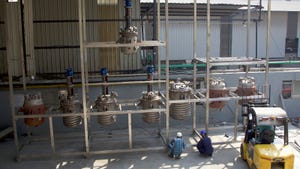
The problem of these bales of dirty bottles from non-deposit states was exacerbated by the company's choice of recycling equipment, according to another source. The URRC facility in Spartanburg made the "wrong equipment choice," he said. There basically are two methods in bottle recycling: one method washes the bottles while they are whole to clean them and remove the labels, after which the bottles are chopped and processed.
The other method chops the bottles into small pieces while still dirty, and then washes them. Air is blown through the flake to separate dirt and paper from the plastic flakes. However, not only are the bottles from the non-deposit states dirtier, but as bottles have become even more light-weight, the air method not only blows away the paper and the dirt but the plastic flake as well.
Combine the choice of using only bottles from non-deposit states with the choice of the processing method, and choice of equipment, said one source, and the result is the URRC site has had difficulty getting enough flake to meet Coke's goal of 10% recycled content in its bottles.
In states that charge a 5-cent bottle deposit, people tend to care for the bottles so they can get their deposit back, which results in the bales of recyclate being more "pristine," said another source. "In non-deposit states it's a pretty disgusting bale, and that's the beginning of the problems."
Okay, so we need to provide "value" to plastic bottles. After all, it worked for glass decades ago. But who is the major culprit in stalling the implementation of bottle deposit bills in most of the states? Well, say sources, "had Coca-Cola not been so married to preventing bottle deposit bills," then it might have cleaner bales and hence cleaner flake and more recycled materials for its bottle-to-bottle recycling facility.

However, since Coke was the "obstruction" to bottle deposit bills, it's "sinful for them to allow or admit they need to resort to using deposit-state bottles to keep their business running," said this source. "Now they're up against finding a way to make non-deposit state bottles work."
Ultimately, all the people in the industry I spoke with say that there is no shortage of bottles. In fact, most say there are a tremendous number of bottles that can be recycled, but the only way they'll end up in a recycling facility is to "artificially inflate the value of the bottles." PET bottles have a worth and by some estimates of those in the recycling business, there are an estimated 500 million lbs. of scavenged bottles, most of which are exported to China for re-use in the textile (polyester) industry or converted into strapping or other non-food contact applications.
Plenty of supply, maybe, but you'll not see many people scavenging for PET bottles in the 44 states that have no bottle deposit. Where plastic bottles are worth something, scavengers will go to great lengths to recover bottles, even stealing them from recycling bins.
When Coca-Cola says it has no bottles to recycle, "it's the most cynical of excuses," said one source. "They spent millions lobbying against bottle bills so that their product wouldn't be more expensive and discourage consumption. A half dozen [states] have risen above it, but most have succumbed to the pressure of the beverage companies."
What do you think---would bottle deposit legislation better promote plastics recycling in the U.S.?


A No-Brainer... Canada has
A No-Brainer... Canada has had deposits on everything for so many years it is part of our daily life. You would never THINK to throw out a container, and not only for the dime, but it's just Wrong. It does NOT make the beverage more expensive or stop people from buying it, it is your money you get back!
Here in Alberta our average rate of return is only 82%... but that is WITH milk and water containers and poly coat and bi-metal and ALL beverage containers in the equation...If you were to simply look at alcohol and pop cans and bottles (which is all most US bottle bills aim for), it's about 95% return rate.
Added bonuses include offering those down on their luck an opportunity to make a decent living "picking bottles", it gives non-profit organizations funding through bottle drives, and once deposit recycling is a habit for the general population, non-deposit recycling such as cardboard, plastic, tin and glass gradually becomes second nature.
It is sickening that the country that consumes the most of these products deals with the waste the worst. And the blame lies full on Coke, Nestle, Pepsi and all those huge corporations with their short-term greed and self-interest. It is time for the United States to step up to the plate and help shrink the human footprint and implementing bottle bills in all States is a great start.
I wonder if there could be a
I wonder if there could be a free market version of the bottle bill? Why do we have to wait on legislation? Could there be a buy/sell on demand free market system in states that have no legislation? Could recyclers buy bottles from the public and sell them back to Coke & Pepsi? Just wondering...
There is some irony here...
There is some irony here... if you return the bottles, you only pay the deposit once. it is only a tax on the stupid & lazy.
Not sure why Coke would oppose a bottle tax since it would equally apply to all their competation (Pepsi would pay too!). Those too dumb to return their bottles are also probably too dumb to realize the slight increase in cost.
Once firnge benefit of deposits is there is more incentive to pick up bottles along the roadways, so we have less trash laying around.
Fully agree...IF we are
Fully agree...IF we are really about conservation and sustainability it become very clear very quickly that state bottle laws out perform curbside-only states. The lobbyist are out of control, once again it is the mighty dollar versus the "rigt thing to do"...
As an injection molder we see
As an injection molder we see terrific benefits to recycling if it is done correctly. Some general rules would help. Use clear PET only so color contamination will not reduce the value of the flake or the re-pelletized material. Currently recycled HDPE is so filled with rocks, metal, wood, and contaminants, the HDPE has little value. Educate the consumers about recycling. If they turn in a bottle filled with sand from the beach, nuts bolts and screws from a "do it yourself project", or other contaminates, the entire recyling process loses value and the molders can't use the recycled materials.
Good recycled materials are worth 10 to 20 cents or more, per pound than contaminated ones. Take care of the stream of recycling and companies can pay more for recycled resins. That in itself promotes more recycling.
It would also be nice if the
It would also be nice if the deposits collected would be guaranteed to be used as intended. Not confiscated into a states "general fund". If that happens a deposit has now become just another tax. The advantages of a deposit system are multiple: cleaner, usable waste stream; organized methods of collection; funding meant to be utilized for recycling.
Karma ran over the dogma.
Karma ran over the dogma. Perfect, maybe they'll have less money to promote mass sugar consumption on children.
Lazy American People Coca
Lazy American People
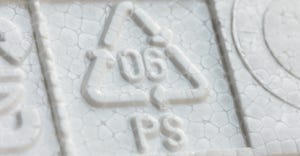
Coca Cola fought for what the American public wanted. For many years there had been a recycling program for glass bottles. We switched over to plastic and basically to reduce cost. At the time there was no thought about the waist problem that would occur. The greatest problem is the many different types of plastic materials. There is identification code on the plastic bottles and containers. 1, 2,3,4,5 and 6. This code identifies the plastic so it can be sent to the proper place for recycling. Some states have collection centers that separate these different products. This is the best method to start with. Some recycling plants separate by melt density. This does allow a certain percentage of the product to reenter the plastic product market. Much of this material is placed in other less valuable resources. (Plastic wood, etc.). At the present time the expense of recycling is prohibitive. In reality is, will be pay now or later and who will pay. Also how much will the cost increase in later years. The plastic building material may become a valuable commodity.
Lazy American People Coca
Lazy American People
Coca Cola fought for what the American public wanted. For many years there had been a recycling program for glass bottles. We switched over to plastic and basically to reduce cost. At the time there was no thought about the waist problem that would occur. The greatest problem is the many different types of plastic materials. There is identification code on the plastic bottles and containers. 1, 2,3,4,5 and 6. This code identifies the plastic so it can be sent to the proper place for recycling. Some states have collection centers that separate these different products. This is the best method to start with. Some recycling plants separate by melt density. This does allow a certain percentage of the product to reenter the plastic product market. Much of this material is placed in other less valuable resources. (Plastic wood, etc.). At the present time the expense of recycling is prohibitive. In reality is, will be pay now or later and who will pay. Also how much will the cost increase in later years. The plastic building material may become a valuable commodity.
Michigan (USA) is the same
Michigan (USA) is the same way and has been for over 25 years (machines were added in last 10), and I love it. It is an added hassle, but is worth it. There are deposits on all carbonated beverages and alcohol containers. We get $.10 a container. You don't see many containers with deposits laying around as waste. Stores often hate it because of the added cost of keeping and maintaining the recycling equipment.
I am glad Coke is going through this. People and companies need to think long term and not just accept or reject something because of slightly higher cost, or because someone tells you it's the green thing to do. Research and think on your own!
P.S. Not all Americans are dumb... only about 38% currently...
I think we have a fantastic
I think we have a fantastic good bottle deposit / recyling system here in Denmark. All supermarkets have machines where you drop off your empty bottles and this gives you a slip with your deposit back and it works perfectly with all types of bottles even the reusable glass beer bottles.
But suggesting something like this to the American people, after having followed the latest discussions about your deficit, seems to me to be a waste of time and money, even though it makes a lot of sense.
Steffen Bruhn, Denmark
Agree... Coke, Nestle',
Agree... Coke, Nestle', Pepsi, the beer boys... All they ever do is "greenwash". They like their consultants, subject matter experts, and conferences, but refuse to ever do anything that actually moves the needle and results in more containers being recovered. Container deposits work. Sure, some of the ones on the books need to be improved, but at the end of the day everyone on both sides of the arguement cannot refute the fact that container deposits result in obtaining the highest quantities of recyclables and obtains them in a way where they can all be recycled in a meaningful way...
What more is there to
What more is there to "discuss"? Someone else wrote these words "No Deposit, No Return". Its true, you can get dirty from curbside, or an abundance of clean from deposits. Construct lighter, leaner refund systems, with free standing redemption centers opening as small businesses, employ 1000's, decrease the water and oil needed in virgin manufacturing, beverage containers almost disappear from public waste, and the environment benefits. Time to join the world recycling attitude....What Trash? Patsy Gillham Texas
Absolutely! The ten deposit
Absolutely! The ten deposit states recycle more containers than the other 40 states combined. Their return rates are about 75-95%, compared to less than 30% in non-deposit states. If Coke is serious about recycling, they need to do a 180 degree turn, and support bottle bills. They need to encourage more states to pass them, or better, a national bottle bill. More info at www.bottlebill.org